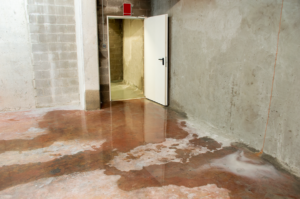





Moisture-damaged floor? Here's how to fix the moisture damage in your room!
Moisture damage is one of the most common problems a homeowner can face. But what can you actually do when moisture damage and related problems arise? Restoring a water-damaged home to a dry and healthy condition requires both knowledge and safe procedures—but a well-drained foundation and a ventilated floor are a good start toward a worry-free home. In this article, you’ll learn more about how to address these issues and choose the right solution.
House with water damage
We probably all know someone who has experienced water damage. Unfortunately, the facts show that 80% of the damage a house sustains is caused by moisture. The house’s construction is often the root cause of these problems, and it’s becoming increasingly important to use the right construction methods and find new, functional solutions alongside new and better building materials. A concrete foundation is one of the most problematic ways to build a house.
How does moisture damage occur?
Moisture damage can occur in many different ways; it may be caused by a burst pipe, or because the waterproofing in the wet room cannot handle the high volume of water. In addition to direct water damage, moisture damage can also occur when moisture comes into contact with organic material in the soil. This type of damage affects buildings that cannot withstand the natural pressure of moisture, which can range from rainwater to condensation from showers and cooking.
Is moisture dangerous?
Moisture itself is not harmful—in fact, it is completely harmless—but ignoring moisture and failing to address the problem can certainly become a major and dangerous concern. When moisture comes into contact with organic materials, it often causes significant problems. If you don’t have a moisture-barrier layer under your concrete slab, it will absorb a lot of moisture. If, on top of that, you don’t have adequate drainage, the moisture will lead to major problems. As we mentioned earlier, moisture itself isn’t dangerous; it’s when it becomes trapped that problems arise.
Houses built on concrete slabs are the worst
Are you planning to buy a house, or perhaps you already own one with a concrete slab foundation? If so, you should be especially careful—houses built on concrete slabs directly on the ground often lead to problems with moisture and mold. Even houses with crawl spaces or raised foundations that have finished basements can have ventilation issues. Nine out of ten houses built on concrete slabs in the 1970s likely have some degree of moisture buildup in the structure.
TSigns of a Flawed House
Do you notice a strange smell in your house every time you walk in? Has it even started to linger on your clothes and furniture? If so, your house may have suffered water damage. Other signs may include condensation forming on the inside of your windows, visible moisture stains, mold on wood surfaces, or discoloration on plaster and stone surfaces.
But mold damage isn’t always visible to the naked eye. It’s very common to be sensitive to the substances caused by moisture. Symptoms may include itchy, watery eyes; constant fatigue; allergy symptoms; or irritated mucous membranes, which can also lead to difficulty sleeping.
A house with water damage can cause serious health problems, but fortunately, there are steps you can take to address the issue.
How can you prevent moisture damage?
Start by checking the building’s blueprints, regularly inspect the areas of the house most prone to moisture, and keep an eye out for changes inside or outside the house. Do you have a crawl space or a basement? Clean it out periodically and don’t leave unnecessary clutter lying around that covers the surfaces. It’s important to keep these areas dry and clean!
Make sure the house’s general ventilation system has both supply and exhaust air, and especially that the bathroom and laundry room also have properly functioning exhaust ventilation. If, however, you start to notice any strange odors, it’s time to contact a professional who can help you pinpoint the problem before it gets worse.
How do you fix moisture problems?
Often, the floor structure is built on top of a concrete foundation where moisture seeps into the basement and causes problems. The best solution we recommend is to mechanically ventilate the structure. A ventilated floor creates a space between the concrete subfloor and the joists and carries the moisture away. This solution can also remove the moisture and odors that contaminate indoor air. SubFloor’s ventilated flooring does not affect the aesthetic appearance and is available with a minimum joist height of 15 mm.
By choosing a mechanically ventilated floor, you don’t have to wait for the remediation to be complete and for the moisture to be completely gone. SubFloor’s solution dries out your ground floor, even after you’ve installed the new floor. The same ventilating solution can also be used for problems with high radon levels, including moisture-damaged basement walls.
With our extensive experience and expertise in ventilated dehumidification, we’re happy to assist you if you’ve suffered water or moisture damage. Feel free to contact us!