

Moisture Damage in Floors – Causes, Symptoms, and How to Fix Them with SubFloor
Common Causes of Moisture in Floors and Basements
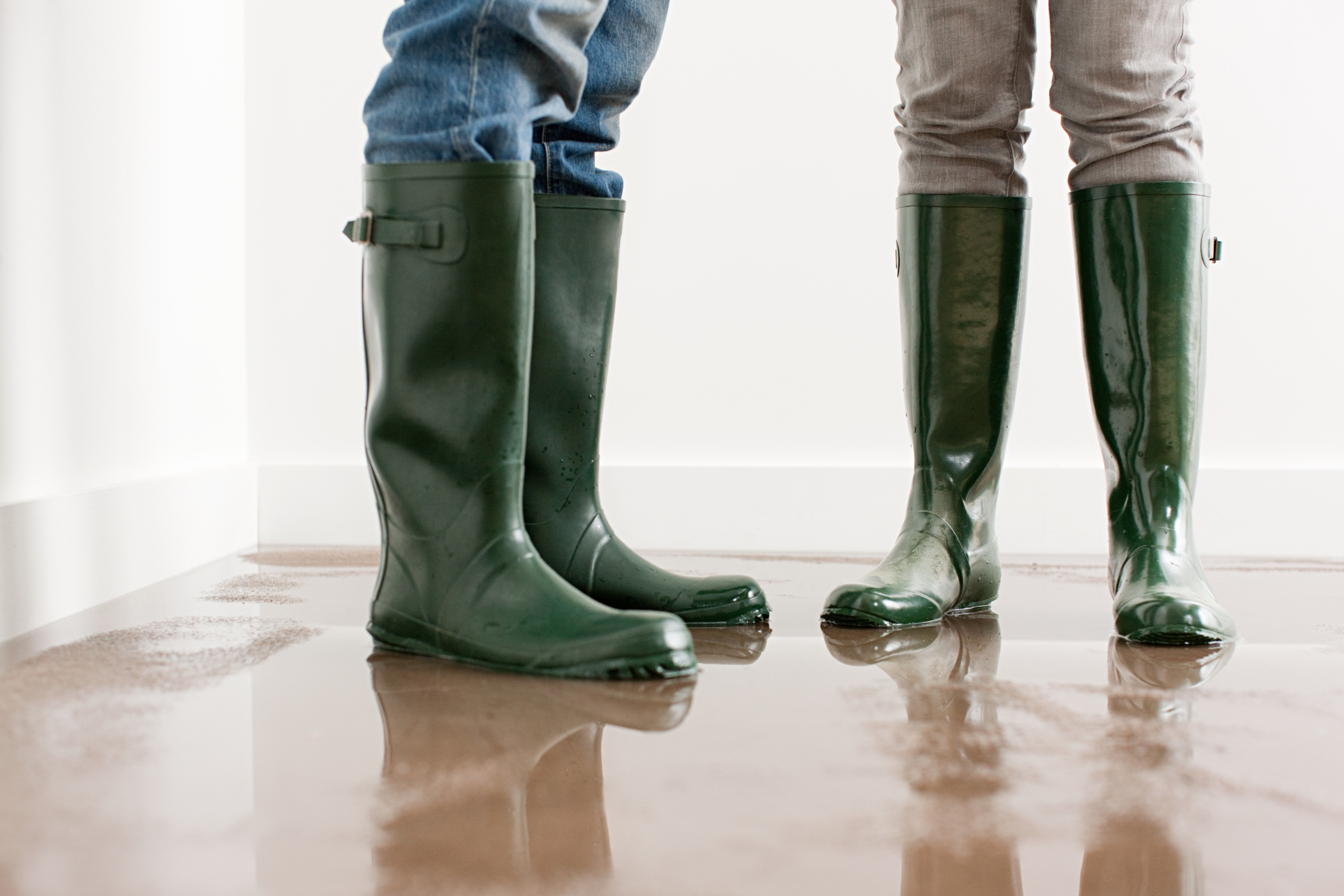
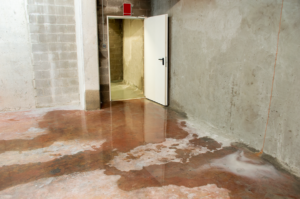
Moisture damage to floors usually occurs when moisture seeps up through the concrete or becomes trapped beneath impermeable floor coverings. Common causes include:
- • Ground moisture absorbed through the concrete slab (capillary action)
- • Inadequate ventilation in basements and lower-level floors
- • Leaking pipes or rainwater that seeps in and cannot dry out
- • Impermeable floor coverings, such as plastic mats or hardwood floors, that prevent evaporation
When moisture has nowhere to go, a trapped environment forms under the floor—the perfect conditions for mold, bacteria, and musty odors.
How to Tell If You Have Water Damage in Your Floor
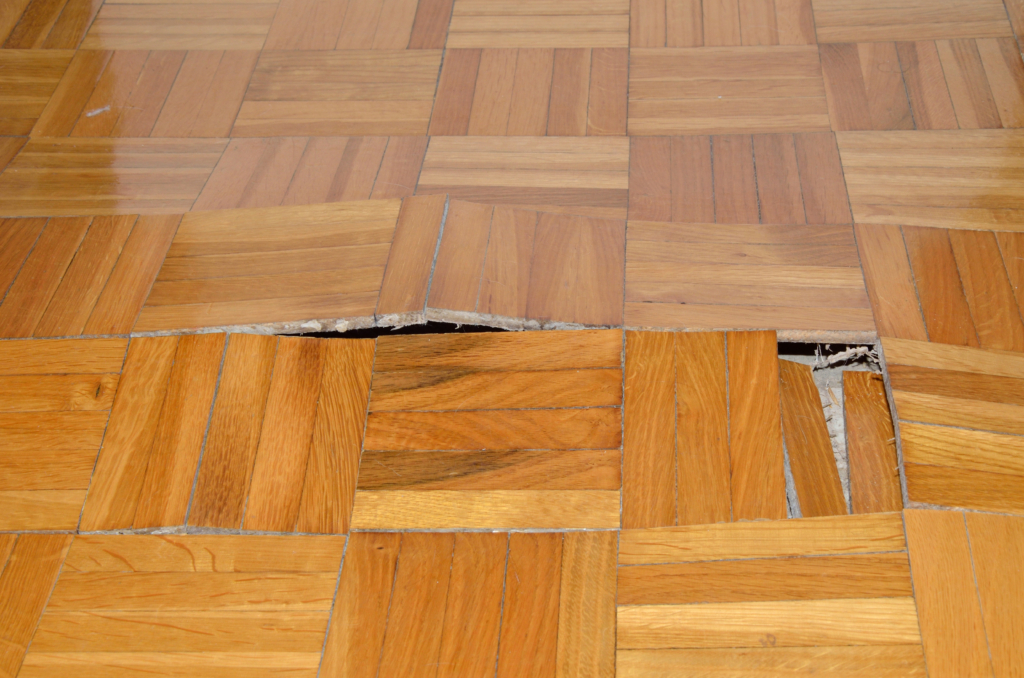
There are several clear signs that you have moisture under the floor or mold in the floor structure:
- • Cold or damp floors, especially in the basement
- • Smell of dirt, dampness, or mold
- • Floors that are bubbling, sagging, or discolored
- • Allergic reactions or respiratory tract irritation
If you suspect a problem, measuring the moisture content of the concrete slab is the best way to confirm it.
The Risks of Ignoring Moisture Problems
If the moisture problems are not addressed, this can lead to:
• Mold growth and poor indoor air quality
• Damage to flooring, walls, and furnishings
• Health problems for those who live or work in the building
• Reduced property value and increased renovation costs
The longer you wait, the more expensive the remediation will be—which is why it's important to choose a solution that both dries out the area and prevents future moisture damage.
Here's how SubFloor solves the problem of moisture under the floor
SubFloor has developed a ventilated subfloor system that dries out the structure from below. The existing floor covering is removed, and the system is installed directly on top of the concrete slab or joist system. A ventilated air gap is created between the subfloor and the new floor, where moisture is continuously ventilated away using fans. The result is a dry, stable, and healthy floor that prevents future moisture damage.
Benefits of SubFloor for moisture problems:
• Active ventilation that dries out damp concrete and the air gap
• The floor becomes level, stable, and warm
• Prevents mold and unpleasant odors
• Works in both existing basements and new construction projects
• Low installation height and easy installation
The system is used in everything from home basements to schools, offices, and apartment buildings —anywhere where moisture under the floor is a recurring problem.
Summary: SubFloor – The Solution to Moisture in Floors
Whether you're looking for
👉 moisture damage in basement floors
👉 ventilated floors for moisture problems
👉 mold under hardwood floors
👉 how to dry a concrete slab after moisture damage
… then SubFloor is the answer.
With a ventilated subfloor system , you get a safe, durable, and long-term solution to moisture problems—and a floor that stays dry and healthy year after year.