

Water Damage in the Home—How to Fix It
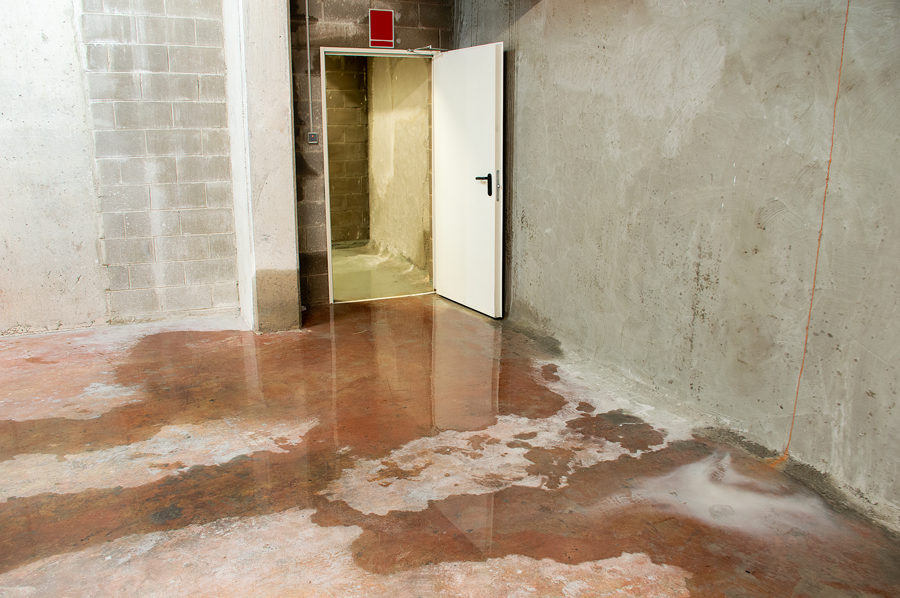
Water damage in the home is a nightmare for many property owners and can result from a variety of causes, such as leaking water pipes, poor drainage, inadequate ventilation, or rising ground moisture. This damage can often remain hidden for a long time before it is discovered, which risks making the problem worse. When disaster strikes, it’s important to act quickly and effectively—not only to stop the moisture damage but also to prevent long-term problems such as mold, unpleasant odors, and an unhealthy indoor environment that can affect both health and quality of life. If the issue involves a moisture-damaged floor, it’s especially important to address the problem immediately. Repairing a moisture-damaged floor in a timely manner can protect your home from more serious damage.
Identify and fix the source of the moisture
A thorough inspection of the entire floor can help identify damage and early signs of moisture damage, which can save you from incurring major renovation costs in the future.
The first thing you, as a homeowner, should do is locate and identify the source of the moisture and address the underlying problem, whether it’s a water leak, poor drainage, or ground moisture. It may be wise to seek the help of an expert to ensure that the problem is completely resolved and prevented from recurring.
Dry out the space
Once the moisture problem has been resolved, the area needs to be thoroughly dried out. This can be done through natural ventilation or with the help of fans and dehumidifiers. However, it is important to be aware that traditional drying methods often take time, which can delay the restoration of both the floor and the home.
Choose a sustainable subfloor system for the future
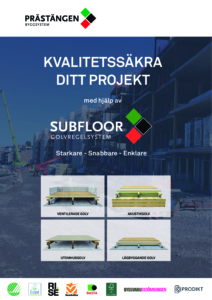
When restoring a floor, it is important to choose a solution that both addresses existing moisture problems and protects against potential future damage. SubFloor’s mechanically ventilated subfloor system is an effective solution that enables continuous ventilation and moisture control, even after the floor has been restored.
The ventilated subfloor system is designed not only to manage moisture but also to meet modern standards for durability and safety. The system meets current load-bearing standards—which means it can withstand the stresses a floor is subjected to in everyday life without compromising stability or longevity. In addition, the system is completely creak-free, creating a calm and pleasant environment free from disruptive noise as you move around your home. The subfloor system is also excellent for installing underfloor heating, as it easily integrates with underfloor heating solutions.
Prevent Future Problems
To prevent potential moisture problems, we recommend installing SubFloor’s ventilated flooring as a preventive measure. This is especially important if you live in an area with high ground moisture or if your house was built in the 1960s or 1970s, as many buildings from that era lack adequate insulation and drainage. By installing our ventilated flooring, we prevent moisture from rising through the floor—which contributes to a healthy and stable indoor environment while reducing the risk of future moisture-related problems.
4 Benefits of Ventilated Floor Joist Systems
- 1. Faster Recovery
Once the moisture problem has been resolved, you can quickly return to your home. The floor ventilation system continues to dry out the ground floor even after the new flooring has been installed, allowing you to return to your home without unnecessary delays.
- 2. Effective Moisture Management
Our flooring systems are designed to create negative pressure beneath the floor, which effectively removes moisture, odors, and mold. By preventing these harmful elements from lingering or returning, the system contributes to a clean, healthy, and fresh indoor environment.
- 3. An Insurance-Friendly Solution
Mechanically ventilated flooring systems are recommended by many insurance companies following water damage. SubFloor’s ventilation system is an effective solution for removing moisture, and it can also facilitate the handling of insurance claims.
- 4. Preventive Investment
In addition to addressing acute moisture problems, SubFloor’s ventilated subfloor system is a wise investment for preventing future damage. By installing our system, you are investing in a long-term solution that not only prevents moisture damage but also protects against elevated radon levels and other potential indoor problems. A ventilated subfloor system is a valuable preventive measure that safeguards your home’s future and extends its lifespan.